To you it is a chimney. To a raccoon scouting Thornton in spring, it is a hollow brick tree with central heating, the best nursery on the block. Add squirrels, house sparrows and the occasional owl, and an uncapped flue rarely stays vacant long. The scratching you hear at two in the morning is not the house settling.
Our removal work runs on two rules: the animal leaves alive and unhurt, and it does not move back in. Ever.
Who moves in around here
- Raccoons: mothers with kits, usually parked on the smoke shelf. Strong, smart and unimpressed by loud noises from below.
- Squirrels: in and out all day building nests, and occasionally stuck in slick-walled flues they cannot climb back out of.
- Birds: nests wedged at the damper or in the cap, sometimes a bird fluttering behind the fireplace glass.
- Chimney swifts: a special case. These migratory birds are protected under federal law, so an active swift nest waits out the season, and we cap the flue the day after the family leaves.
How removal works
- We identify the tenant first, by sound, sign and camera, because raccoon strategy and bird strategy are different jobs
- Removal is humane: eviction techniques that send wildlife out the way it came, unharmed, with mothers and young kept together
- The nest, droppings and debris get cleaned out afterward, since that material is both a blockage and a health issue
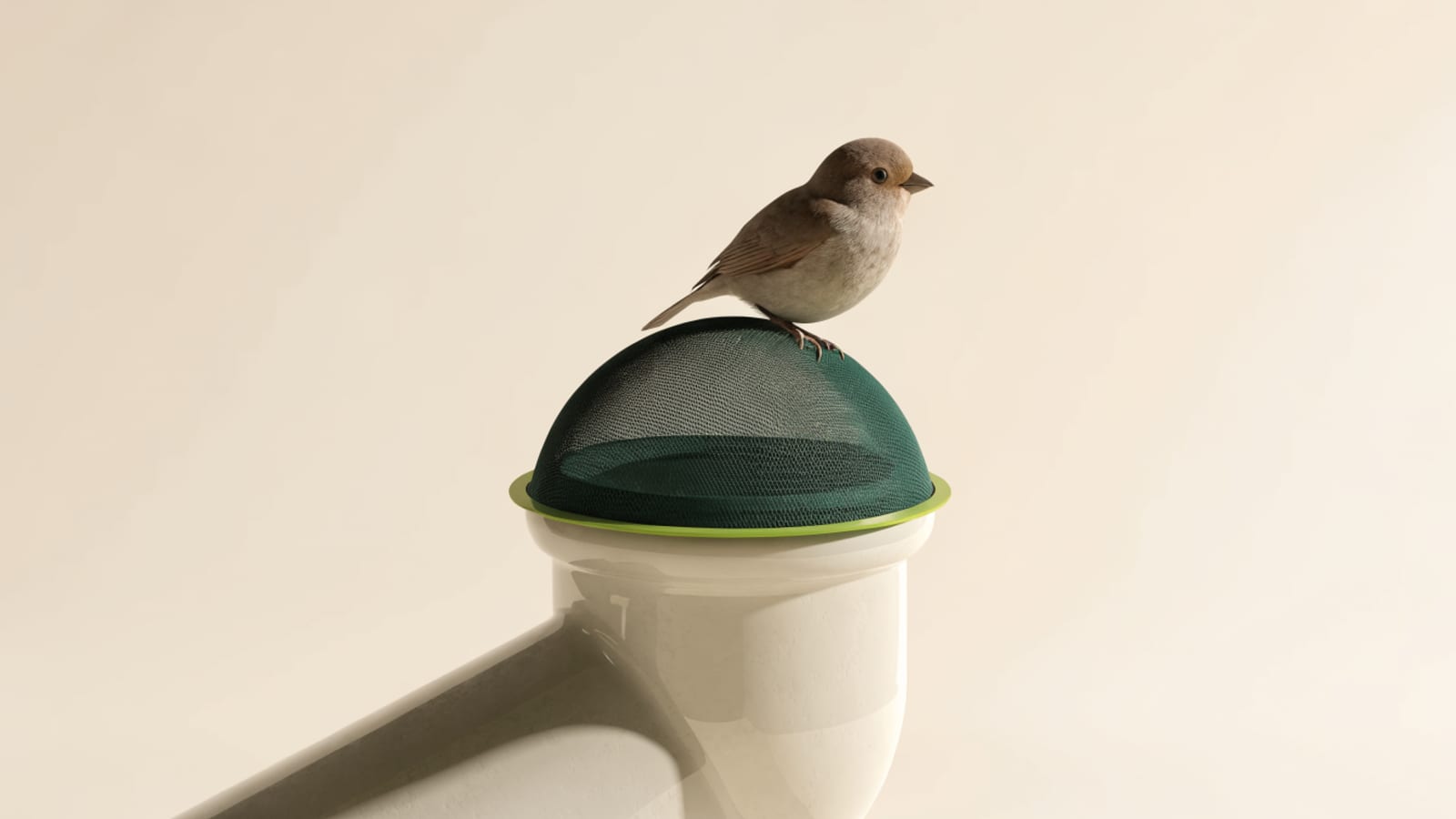
- The entry closes permanently with a properly sized, mesh-screened chimney cap anchored for our wind
Why leaving it alone goes badly
An occupied flue is a blocked flue, and a blocked flue pushes smoke and carbon monoxide back into the house the first time somebody lights a fire without checking. Nests are dry tinder stacked in a chimney; droppings carry disease; and an animal that dies in a flue announces itself for weeks. Removal is always cheaper than the season of consequences.
FAQ about chimney wildlife
Something is scratching up there. What is my next move?
Keep the damper closed, skip the fire, and do not try smoke or noise eviction tactics, which mostly produce panicked animals in living rooms or orphaned kits on the smoke shelf. Call us and describe the sound; we can usually name your tenant from the description.
Will the animal just leave on its own?
Squirrels and raccoons eventually, but a mother is staying until the kits can travel, which can be weeks. A stuck animal, and flue-trapped squirrels and birds get stuck often, will not survive the wait. Better to resolve it on your schedule.
How do you keep them from coming back?
A properly fitted cap with intact mesh, anchored down for wind, on every flue. Once it is on, the vacancy sign is off for good, and the same cap keeps out rain and embers as a bonus.