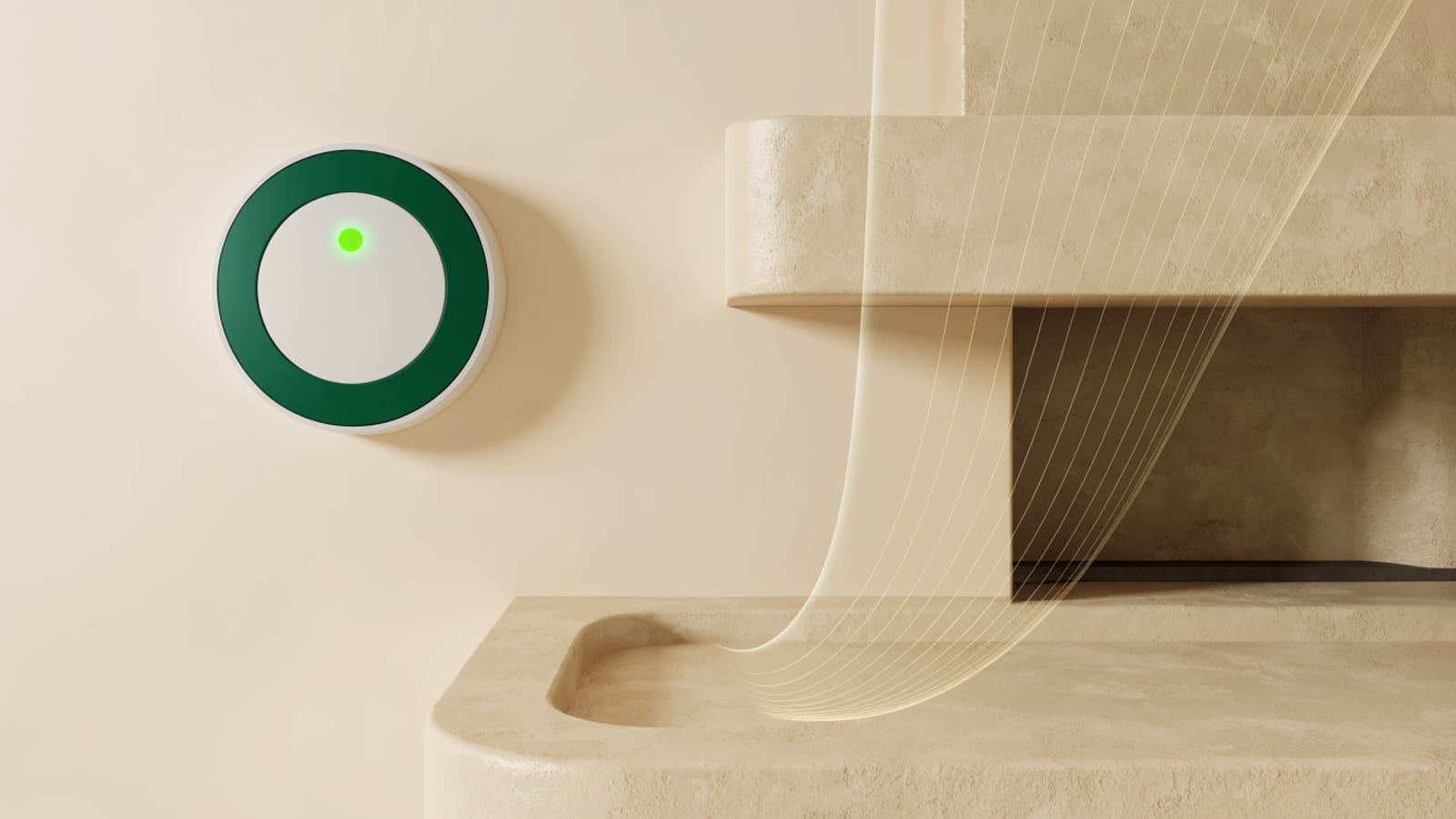
Carbon monoxide is the risk a fireplace never advertises. You can see smoke, you can smell a musty flue, but carbon monoxide gives you nothing to notice: no color, no odor, no taste. It is a normal byproduct of any fire, and a healthy chimney carries it up and out of the house without incident. The danger begins when something in that system stops working the way it should and the gas backs up into the room instead. This guide walks through how that happens, the warning signs worth memorizing, and the Colorado-specific reasons carbon monoxide from a fireplace deserves respect up here.
We are a chimney crew in Thornton, not doctors, and nothing here replaces a working alarm or a call to 911 in an emergency. But we spend our days inside the exact systems that either vent this gas safely or fail to, so we can tell you plainly where the trouble comes from.
Where carbon monoxide comes from in a fireplace
Any time you burn wood, gas, pellets or oil, the fire produces carbon monoxide. The whole job of a chimney is to give those combustion gases a clean, sealed path up and out while pulling fresh air in to feed the fire. That upward pull is called draft. When draft is strong and the flue is sound, the gas leaves and you never think about it. Carbon monoxide becomes a household danger when combustion gases spill back into living space instead of exiting the top of the chimney. A few things cause that spillage:
- A blocked flue: a bird or squirrel nest, a fallen chunk of masonry, or heavy creosote can choke the passage so gases cannot escape.
- A cracked or failed liner: when the flue liner breaks down, gases can leak sideways into the house through the masonry instead of rising to the top.
- A closed or stuck damper: burning with the damper shut, or with one rusted partway closed, traps exhaust in the firebox.
- Weak or reversed draft: a cold flue, a house sealed too tight, or competing exhaust fans can actually pull air, and gas, back down the chimney.
- A dirty or misadjusted gas appliance: a gas fireplace or insert burning improperly makes more carbon monoxide than it should.
Why Colorado homes face extra risk
Carbon monoxide is a nationwide concern, but a few things about living on the Front Range stack the deck, which is worth understanding if you burn here.
- Altitude changes combustion. There is less oxygen in the thin air at Colorado elevations, and fuel burned with less oxygen tends to produce more carbon monoxide. Appliances not set up for altitude can run dirtier than they would at sea level.
- Cold snaps and the stack effect. Our sharp temperature swings drive hard indoor and outdoor pressure differences that can weaken or reverse a chimney's draft, especially in a tightly built or newer home.
- Tight modern construction. Well-sealed houses hold heat beautifully and also starve fireplaces of the makeup air they need to draft, which can pull exhaust back inside.
- Long heating season. More months of burning means more hours of exposure to whatever the chimney is doing, good or bad.
Colorado law reflects the seriousness of this. State law requires carbon monoxide alarms in homes with a fuel-burning appliance or an attached garage, particularly around sleeping areas. If your home burns anything, alarms are not optional, they are the baseline.
The warning signs to know
Because you cannot sense the gas itself, you have to watch for its fingerprints. Learn these two lists.
Signs on the fireplace and chimney:
- Smoke that pushes back toward you rather than climbing the flue
- A strong, lingering smoky smell even when no fire is burning
- Soot or brown or yellow staining building up around the fireplace, vents or appliance
- On a gas unit, flames that burn yellow or orange and lazy instead of crisp and blue
- Excess moisture or condensation on windows near a running gas appliance
Signs in your body, which are the ones that matter most and are famously easy to mistake for the flu, minus the fever:
- Headache, often dull and persistent
- Dizziness or lightheadedness
- Nausea
- Unusual tiredness or confusion
- Symptoms that ease when you leave the house and return when you come back
That last clue is the big one. If people or pets feel sick indoors and better once they step outside, treat it as a carbon monoxide emergency until proven otherwise.
What to do if you suspect carbon monoxide
If your alarm sounds or you notice those symptoms together, act fast and in order. Do not stop to investigate the fireplace first.
- Get everyone outside into fresh air right away, people and pets both.
- Call 911 or your fire department from outside the home.
- Do not go back in to open windows or hunt for the source until responders say it is safe.
- Get medical help for anyone with symptoms, and tell them you suspect carbon monoxide.
- Leave the system off until a professional has found and fixed the cause.
Only after the emergency is handled does the chimney detective work begin, and that is our part.
How to prevent it in the first place
Nearly every fireplace-related carbon monoxide event traces back to something a yearly look would have caught. Prevention is not complicated:
- Put in carbon monoxide alarms on every level and near sleeping areas, test them monthly, and replace them on the manufacturer's schedule. This is the one step that protects you even when everything else fails.
- Get an annual inspection. A camera up the flue finds blockages, liner damage and buildup before they can trap gas. NFPA 211 calls for this yearly, and our chimney inspection is free.
- Keep the flue swept. Regular chimney cleaning removes the creosote and debris that choke draft.
- Cap the chimney. A proper cap keeps out the nests and animals that are a leading cause of blockage.
- Burn only dry, seasoned wood and always open the damper fully before you light up.
- Service gas appliances and make sure any gas unit is set up correctly for Colorado altitude.
FAQ about carbon monoxide and fireplaces
Can a wood-burning fireplace produce carbon monoxide?
Yes. Every fire, wood or gas, produces carbon monoxide. A sound chimney vents it safely up and out. The gas only becomes a household danger when a blockage, a damaged liner, a shut damper or weak draft lets combustion gases spill back into the room instead of exiting the top.
Do I need a carbon monoxide detector if I have a fireplace?
Yes, and in Colorado it is the law for homes with a fuel-burning appliance. Because carbon monoxide has no color or smell, an alarm is the only thing that can warn you before symptoms start. Place them near sleeping areas, test them monthly, and replace them per the manufacturer.
What are the symptoms of carbon monoxide from a fireplace?
Headache, dizziness, nausea, tiredness and confusion, symptoms often mistaken for the flu but without a fever. The telltale sign is that they ease when you leave the house and come back when you return. If you notice that pattern, get everyone outside and call 911.
How do I know if my chimney is venting properly?
The reliable signs are a fire that draws cleanly upward, no smoke or smoky smell backing into the room, and crisp blue flames on a gas unit. Since draft problems and blockages hide out of sight, the certain answer is a camera inspection. Ours costs nothing, so book one before you start burning for the season.
The bottom line
Carbon monoxide from a fireplace is both serious and largely preventable. Put working alarms in the house, learn the sick-indoors-better-outdoors warning sign, and get the flue looked at once a year so a blockage or a failing liner never gets the chance to trap gas indoors. If anything on your chimney has you unsure, call the crew. The camera look is free, and there is no better peace of mind heading into a Colorado winter.